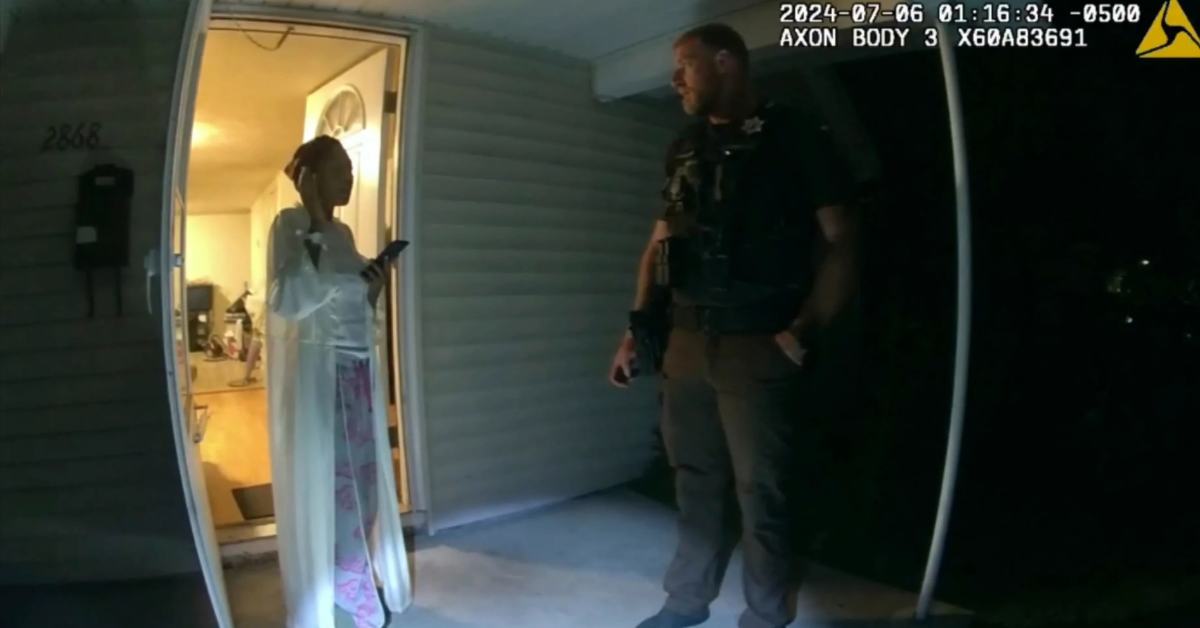
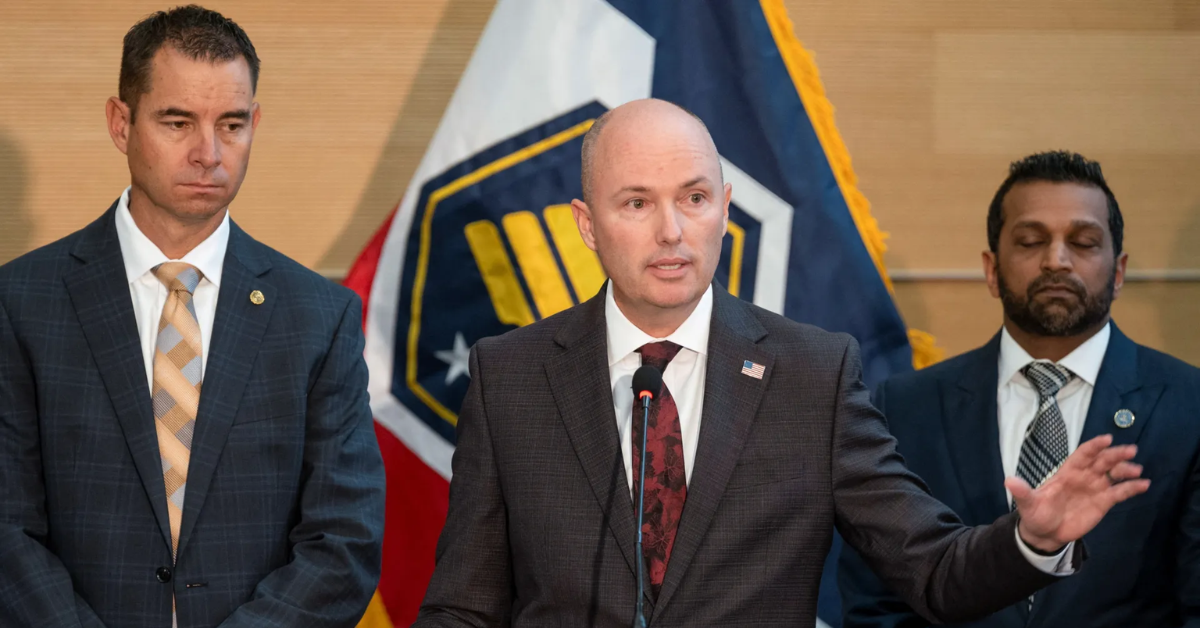
The recent shooting incident in Kirk has sparked nationwide attention, raising questions about how the legal system will handle the case. Interestingly, the shooting is being charged as a state crime rather than a federal one. This choice has important implications for how the trial will unfold and what kind of penalties the accused might face.
Understanding why this case falls under state jurisdiction and not federal is crucial for those following the news, especially younger people curious about the justice process. Let’s break down the reasons for this decision and explore what it means for the eventual trial.
What Does It Mean When a Crime Is Charged at the State Level?
When a crime is charged at the state level, it means the case will be handled by the state’s court system, not the federal courts. State courts generally deal with violations of state laws such as assault, robbery, and murder. In the Kirk shooting case, since the crime happened within the state and did not involve federal laws or cross state lines, the state has jurisdiction.
The state prosecutor will be responsible for pressing charges, conducting the trial, and deciding the penalties if the accused is found guilty. State laws will determine the charges and sentencing rules, which can be different from federal laws. These differences can affect how severe the punishment might be.

Why Not Charge It as a Federal Crime?
Federal charges are usually reserved for crimes that cross state boundaries, involve federal property, or violate federal laws. For example, crimes like terrorism, drug trafficking across states, or hate crimes often come under federal jurisdiction. According to the U.S. Department of Justice, federal involvement also depends on whether the crime violates specific federal statutes.
In the case of the Kirk shooting, the crime took place entirely within one state, and there is no clear evidence that federal laws were broken. Since the state already has a strong legal framework to handle such criminal acts, the federal government typically lets the state take the lead.
How This Affects the Trial Process
Because the trial will take place in a state court, the procedures may differ from what you would see in a federal courtroom. State trials often have different rules about evidence, jury selection, and sentencing guidelines. For younger readers interested in legal studies, this is a practical example of how the U.S. justice system operates at two levels.
The trial timeline can also be different. State courts might move faster or slower depending on the case load and resources available. According to the National Center for State Courts, state courts handle the vast majority of criminal cases in the U.S. This means state courts are well-equipped to manage serious cases like the Kirk shooting.

What Are the Possible Outcomes?
If the accused is found guilty in the state court, penalties could range from fines and probation to long prison sentences or even capital punishment, depending on the state’s laws. The state decides the penalties based on the severity of the crime and other factors like prior offenses.
However, since the federal government is not involved, federal sentencing guidelines or programs won’t apply. This distinction means the defense and prosecution strategies might also vary from federal cases. For more details on sentencing differences, sources like The Sentencing Project offer in-depth research.
What Could Change in the Future?
It is worth noting that sometimes, if new information emerges, the federal government might decide to get involved or bring additional charges. This could happen if the crime is found to have wider implications beyond state borders or if federal laws were broken in connection to the event.
For now, the focus remains on the state courts, which will handle the trial proceedings. The case serves as a reminder of how complex the U.S. legal system is, juggling responsibilities between state and federal levels.

Conclusion
The decision to charge the Kirk shooting as a state crime means the case will be tried under state laws with state prosecutors and judges. This impacts the trial process, possible penalties, and the legal strategies employed. Understanding this distinction helps young readers and anyone interested in U.S. law see how criminal justice works in different jurisdictions.
Staying informed through reliable sources like the U.S. Department of Justice and educational resources such as the National Center for State Courts provides valuable insights into these legal processes.